Tokyo Marathon ·
Tokyo Marathon's 7-hour limit runs on gun time, not your chip
Your race morning, in order
The sequence that decides where you should sleep. Steps markedhard cutoff cannot be recovered from.
4–6 Mar
Race pack collection window
Tokyo Marathon EXPO
Thu 4 and Fri 5 March, 10:00–20:30; Sat 6 March, 10:00–17:30. There is no race-morning collection, miss the window and you do not run.
Hard cutoff
09:05
Wheelchair marathon starts
Tokyo Metropolitan Government Building
A 2 hour 30 minute limit, finishing 11:35.
09:10
Marathon starts
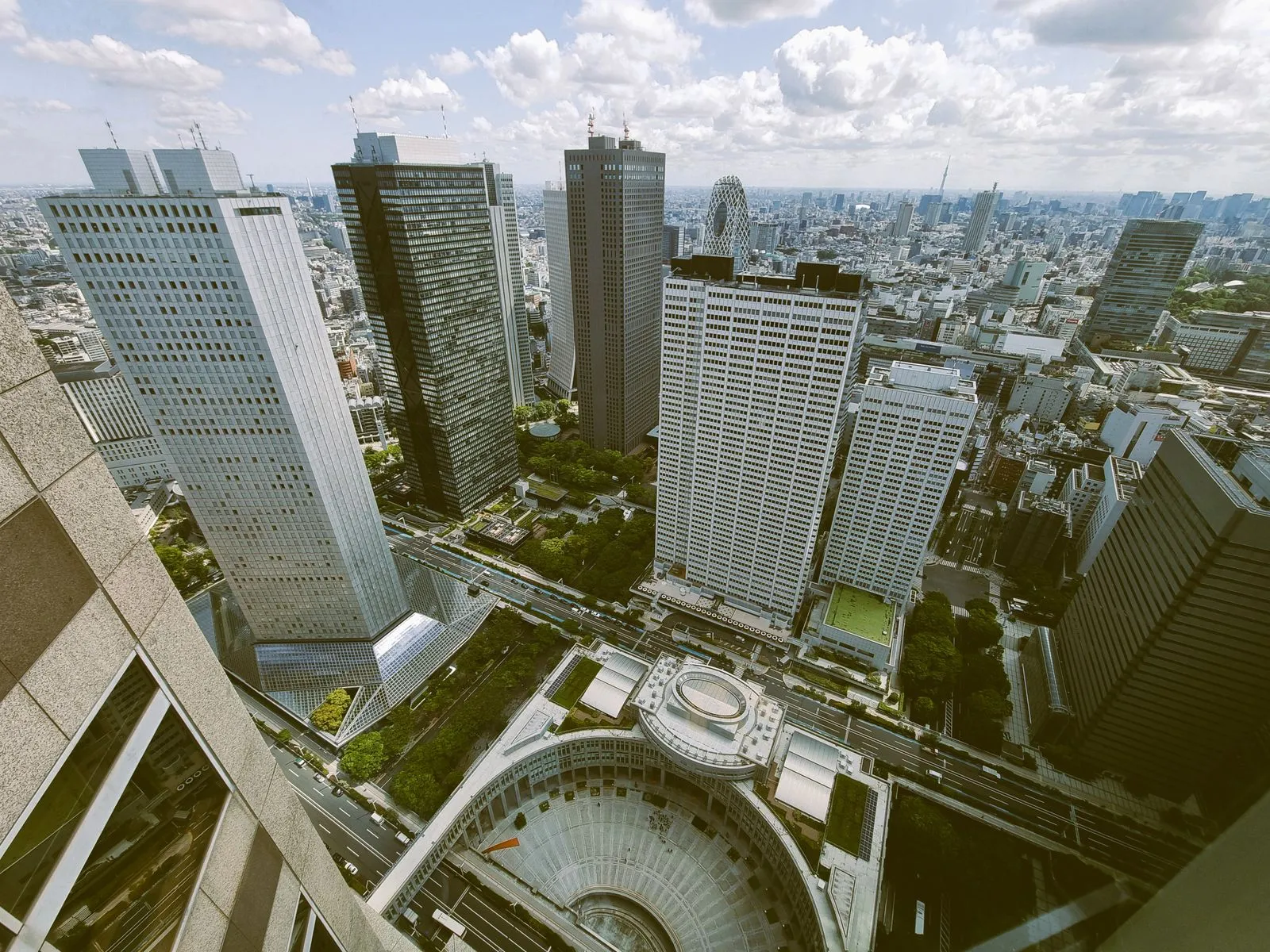
Tokyo Metropolitan Government Building, Shinjuku
The gun. From this moment your seven hours are running, regardless of when you actually cross the line.
Hard cutoff
Course
Cut-off points along the route
Various
The organiser operates cut-offs for traffic control, security and race operations. Falling significantly behind race pace at any point may end your race.
Hard cutoff
16:10
Seven-hour limit expires
Tokyo Station / Gyoko-dori
Measured from the gun at 09:10, not from your own start. In a field of 38,000 that difference is real.
Hard cutoff
Two ends of the city, fifteen minutes apart
Tokyo starts at the Metropolitan Government Building in Shinjuku and finishes at Tokyo Station, on Gyoko-dori Avenue. In a straight line that is about five kilometres; on the Marunouchi line it is roughly fifteen minutes. The course in between takes a long loop north and east: Suidobashi, Ueno-hirokoji, Kanda, Nihombashi, the Kaminarimon Gate at Asakusa, Ryogoku, Monzen-nakacho, Ginza, Tamachi, Hibiya — before returning to the imperial palace side of the station.
That geometry makes Tokyo one of the more forgiving majors for accommodation. The two ends of your day are close enough that neither choice is wrong, and the rail network between them is the best in the world. What is less forgiving, and much less discussed, is how the clock works.
The clock starts when the gun goes, not when you do
The organiser states it plainly: the official time will be measured from the starting gun. The limit is seven hours, from a 9:10am start, with the race closing at 4:10pm.
In a field of thirty-eight thousand runners, the gap between the gun and the moment a later block actually crosses the timing mat can be considerable. At races that use chip time, that gap costs you nothing. At Tokyo it comes directly out of your seven hours.
For a fast runner this is irrelevant. For anyone whose realistic finishing time is above six hours, it is the single most important operational fact about the race, and it should shape where you sleep. Every minute you save on race morning is a minute you keep at the other end, and the cleanest way to save minutes is to walk to the start rather than take a train to it.
The course cut-offs are real, and deliberately unspecified
Beyond the overall limit, the organiser operates cut-off points along the route “for traffic control, security, and race operations”, and states that participants who fail to reach one by the designated time, or who fall significantly behind the race pace at any point, may be required to discontinue.
That second clause is unusually broad, and it is worth reading carefully. It is not simply a matter of hitting fixed gates; the organiser reserves the ability to remove runners who are drifting off pace anywhere on the course. The specific points are published in participant materials closer to the event.
Combined with gun-time scoring, this makes Tokyo stricter than its late start and flat course suggest.
The expo is not optional
Race pack collection runs on Thursday 4 and Friday 5 March from 10:00 to 20:30, and Saturday 6 March from 10:00 to 17:30. There is no race-morning collection.
For an international runner this is a hard constraint on your travel dates rather than an errand. Arriving on the Saturday evening means you do not run. Arriving on the Saturday afternoon means a rush from the airport to the expo before it closes at half past five. Build it into your flights before you build it into your itinerary.
Where this leaves the accommodation decision
Shinjuku puts you within walking distance of the start. On a gun-time race that is worth more than it would be elsewhere: you eliminate the only timed journey of your day, and you arrive without having stood on a packed train. It also has the deepest hotel supply in Tokyo, which matters when thirty-eight thousand runners and their families are booking the same weekend. The cost is that you finish five kilometres east and travel back.
Marunouchi and the Tokyo Station area invert it. You walk back to your room from Gyoko-dori, which after a marathon is a genuine kindness, and you are on top of the best rail hub in Japan for whatever you are doing afterwards. The morning journey is about fifteen minutes on the Marunouchi or Chuo line — easy by any normal standard, though shared with a great many other runners.
Anywhere on the Marunouchi or Chuo line is the underrated option, and Tokyo’s network makes it genuinely viable in a way it would not be in most cities. Both ends of your day sit on the same line, with no changes in either direction, and prices fall away quickly once you are off the two terminus districts.
The honest summary is that Tokyo does not punish a wrong choice the way Boston or New York do. Pick the line rather than the landmark, and if the seven-hour limit is anywhere near your realistic finishing time, pick Shinjuku.
When to book
Entry is largely by lottery, with selection by random drawing where entries exceed the field size, and charity entry opening in the June before the race. Acceptances therefore land months ahead, and that, rather than the approach of March, is when the walkable rooms go.
Tokyo has enormous hotel stock and you are very unlikely to find nothing. What you will find, if you leave it late, is that what remains is neither near the start nor near the finish nor on the line between them, in a city large enough that this genuinely costs you an hour a day.
We measured the split, and it is 6.7 kilometres
The phrase “two ends of the city” deserves a number, so we geocoded both and measured them. The Tokyo Metropolitan Government Building in Shinjuku and the finish beside Tokyo Station are 6.71 kilometres apart.
Then the candidate districts, against both ends:
| Zone | To the start (Shinjuku) | To the finish (Tokyo Stn) |
|---|---|---|
| Shinjuku | 0.80 km | 5.93 km |
| Marunouchi | 6.84 km | 0.13 km |
| Ginza | 6.87 km | 1.07 km |
This is the cleanest example on the whole site of a race with no compromise position. Shinjuku puts you 800 metres from the start and six kilometres from the finish. Marunouchi puts you 130 metres from the finish and nearly seven from the start. There is no third option that splits the difference usefully, because the gap between them is filled with the Imperial Palace grounds and the densest rail interchange on earth — you cross it by train or not at all.
So Tokyo forces a genuine choice rather than offering a best answer, and the choice is between a calm morning and a calm afternoon. Given that the gun time is absolute and the finish is merely tiring, this page comes down on the side of the morning, but a runner who has done Tokyo before and knows how long the finish area takes to clear may reasonably decide the opposite.
The marathon does not move Tokyo’s hotel market at all
This is the most surprising measurement we took on any race, and it is worth reporting precisely because it contradicts what a guide is expected to say.
Checked on 4 August 2026, comparing race weekend with the following weekend:
| Race weekend 5–8 Mar 2027 | Control 12–15 Mar 2027 | |
|---|---|---|
| Properties on Booking.com | 5,633 | 5,856 |
Ninety-six per cent of ordinary supply was still available for race weekend. And the prices, for the same properties across the two weekends:
| Property | Race weekend | Control | Multiple |
|---|---|---|---|
| Hotel Keihan Tokyo Yotsuya | ¥64,491 | ¥61,372 | 1.05× |
| Tokyu Stay Yotsuya | ¥92,473 | ¥91,910 | 1.01× |
| illi Enu Yotsuya | ¥267,300 | ¥267,300 | 1.00× |
| Yotsuya Lantern | ¥266,760 | ¥266,760 | 1.00× |
| Wakaba Hotel | ¥269,692 | ¥269,692 | 1.00× |
| Tokyo Candle house | ¥43,263 | ¥43,263 | 1.00× |
Four of the six were priced identically, to the yen, on both weekends. The median multiple is 1.00.
Tokyo is a World Marathon Major with a field of around thirty-eight thousand, and on this evidence the city’s accommodation market does not notice it. Compare Valencia at roughly three times, Berlin at close to four, Chicago at 2.3, and Boston where the continuous race weekend could not be booked at all.
The explanation is scale. Tokyo has close to six thousand bookable properties. Thirty-eight thousand runners, most of them domestic and many commuting in for the day, are simply not a large enough shock to move that market.
What this changes for you: the urgency this site applies to Boston, Valencia and Berlin does not apply here. You are not racing anyone for a room and you are not paying a marathon surcharge. What you are choosing is position — the 6.7 kilometre problem above, and position is available late as well as early. Book for the right district rather than booking early for the wrong one.
That is the opposite of the advice in the section above this one, and the measurement is the reason. Where the section above says the walkable rooms go early, this data says the market as a whole does not tighten. Both can be true: the specific hotels closest to Shinjuku and Marunouchi thin out while the city’s five thousand other properties sit unaffected. Prioritise the district; do not panic about the city.
Verified race-morning logistics
| What | When |
|---|---|
| Corral closes · hard cutoff | Marathon start 09:10 · wheelchair 09:05 |
| Bag drop closes | Race pack collection 4–6 March; details in participant materials |
| Road closures | 7-hour limit from the gun, finishing 16:10 |
Times are those published by the organiser for the 2027 edition. Baggage arrangements and start-block detail are issued in participant materials closer to the race and are deliberately not reproduced here.
Verified against the official race source. Always reconfirm in the week before you travel.
Where to stay: the three zones
Distances below are to Tokyo Metropolitan Government Building, Shinjuku, the point you actually have to reach, which is not always the start line.
Our pick
Shinjuku, the start side
- To Tokyo Metropolitan Government Building
- 0.8km, walk to the Metropolitan Government Building
- To finish
- Marunouchi or Chuo line back
- Price
- $$$
The safest morning, and the deepest supply. Best if the seven-hour limit is a real concern for you.
What's available in ShinjukuWorks because
- Walk to the start, which removes the only timed journey of your day
- Enormous hotel supply, the deepest concentration in Tokyo
- Excellent rail connections for the rest of the trip
Costs you
- You finish five kilometres east and must travel back on tired legs
- Very large and busy; the walk from some Shinjuku hotels to the start is longer than the map suggests
Marunouchi / Tokyo Station, the finish side
- To Tokyo Metropolitan Government Building
- Marunouchi or Chuo line to Shinjuku, about 15 minutes
- To finish
- Walk
- Price
- $$$$
Better recovery, and a genuinely easy morning journey by Tokyo's standards. Strong choice if you are not chasing the cut-off.
What's available in MarunouchiWorks because
- Walk back to your room from Gyoko-dori, the leg that hurts most
- Best rail hub in Japan on your doorstep for onward travel
- Quieter than Shinjuku the night before
Costs you
- A train journey before a 09:10 gun, on a morning when 38,000 people want the same trains
- Most expensive district, and it fills early
Along the Marunouchi or Chuo line
- To Tokyo Metropolitan Government Building
- Direct train to Shinjuku
- To finish
- Direct train back
- Price
- $$
Tokyo's rail network makes this genuinely viable, pick the line, not the landmark.
What's available in Tokyo StationWorks because
- Both ends of the day on one line — no changes in either direction
- Materially cheaper than either terminus district
- Availability holds when Shinjuku and Marunouchi have gone
Costs you
- Two journeys on the day, and the second one is crowded
- Less atmosphere and fewer options the night before
Zone links open a search for those dates. We earn a commission if you book through one, and it never changes which zone we recommend.
Accommodation near Tokyo Metropolitan Government Building, Shinjuku
Live prices for Tokyo Marathon weekend ( –), centred on the point you have to reach, not the start line.
Loading accommodation map…
We earn a commission if you book through this map. It never affects which zones we recommend, and it never changes a verified logistical fact.
Common questions
Where does the Tokyo Marathon start and finish?
It starts at the Tokyo Metropolitan Government Building in Shinjuku and finishes at Tokyo Station on Gyoko-dori Avenue, roughly five kilometres east. The course runs via Suidobashi, Ueno-hirokoji, Kanda, Nihombashi, Asakusa Kaminarimon Gate, Ryogoku, Monzen-nakacho, Ginza, Tamachi and Hibiya.
What time does it start?
The marathon starts at 9:10am, with the wheelchair marathon at 9:05am. That is a late start by international standards and makes the morning journey considerably less punishing than Boston or Sydney.
Is the seven-hour limit measured from my chip time?
No, and this matters. The organiser states that the official time is measured from the starting gun. In a field of 38,000, runners in later blocks can cross the start line well after 9:10, and every one of those minutes comes out of your seven hours.
Are there cut-offs on the course?
Yes. The organiser operates cut-off points for traffic control, security and race operations, and states that participants who miss one, or who fall significantly behind race pace at any point, may be required to stop. The specific points are published in participant materials.
Do I have to attend the expo?
Yes. Race pack collection runs on Thursday 4 and Friday 5 March from 10:00 to 20:30, and Saturday 6 March from 10:00 to 17:30. There is no race-morning collection, so the expo is a fixed commitment in your travel plan rather than optional.
Should I stay in Shinjuku or near the finish?
Shinjuku if the cut-off worries you, because you can walk to the start and remove the only timed journey of your day. Marunouchi if it does not, because you walk back from the finish. Tokyo's rail network makes either workable, the journey between them is about fifteen minutes.
How do I get in?
Mostly by lottery. Entries are selected by random drawing where they exceed the field size, with separate windows by category and charity entry opening in June the preceding year. Acceptance therefore lands months before race day, which is when accommodation moves.
When should I book?
As soon as you know you are in. Tokyo has vast hotel supply, so you will find a room, but the walkable options near either end of the course go early, and March is a popular travel month in Japan for reasons that have nothing to do with the marathon.
How we verified this
Every timing and closure on this page was checked against the organiser's own published sources on the dates below, by H. Ahmad. Research and data collection are AI-assisted; every logistical fact is verified by a human against the official source before publication. We don't take logistics from other guides — courses and cutoffs change between editions, and second-hand data goes stale silently.
- Tokyo Marathon 2027: Race InformationRace date 7 March 2027; marathon start 09:10 and 7-hour limit finishing 16:10; wheelchair marathon 09:05 with 2h30 limit; official time measured from the starting gun; cut-off points exist for traffic control, security and race operations; race pack collection windows 4–6 Marchchecked
- Tokyo Marathon 2027: CourseCourse routing from the Tokyo Metropolitan Government Building through Suidobashi, Ueno-hirokoji, Kanda, Nihombashi, Asakusa Kaminarimon Gate, Ryogoku, Monzen-nakacho, Ginza, Tamachi and Hibiya to Tokyo Station / Gyoko-dori Avenuechecked
- Tokyo Marathon 2027: Entry RequirementsEntry categories, eligibility and participant obligationschecked
- Tokyo Marathon 2027: Entry ScheduleEntry periods by category; selection by random drawing where entries exceed field size; charity entry opening datechecked
- Tokyo Marathon: Race concept and organisationOrganising bodies including JAAF and the Tokyo Metropolitan Governmentchecked